

Understanding the International Casino Market
The international casino market is a vast and complex landscape, comprising various segments and stakeholders that contribute to its dynamic nature. From traditional brick-and-mortar establishments to the rapidly growing online casino platforms, the market accommodates various preferences, regulations, and technologies across different regions. In this article, we will delve into the key aspects of the international casino market, examining trends, regulatory challenges, technological advancements, and the evolving consumer behavior that shapes this billion-dollar industry. We also invite you to explore resources such as Understanding the International Casino Market https://hållsverigeigång.se/ for deeper insights into specific markets.
Historical Context of Casinos
The origins of casinos can be traced back to ancient civilizations, with early forms of gambling being prominent in cultures like the Romans and Greeks. However, the modern casino as we recognize it began to materialize in the 17th century in Europe, specifically in Italy. The growth of casinos gained significant momentum in the 20th century, especially in places like Las Vegas and Macau, which became synonymous with gambling and entertainment. The historical evolution of casinos has influenced their present-day operations and laid the groundwork for expanding into the international market.
Global Market Overview
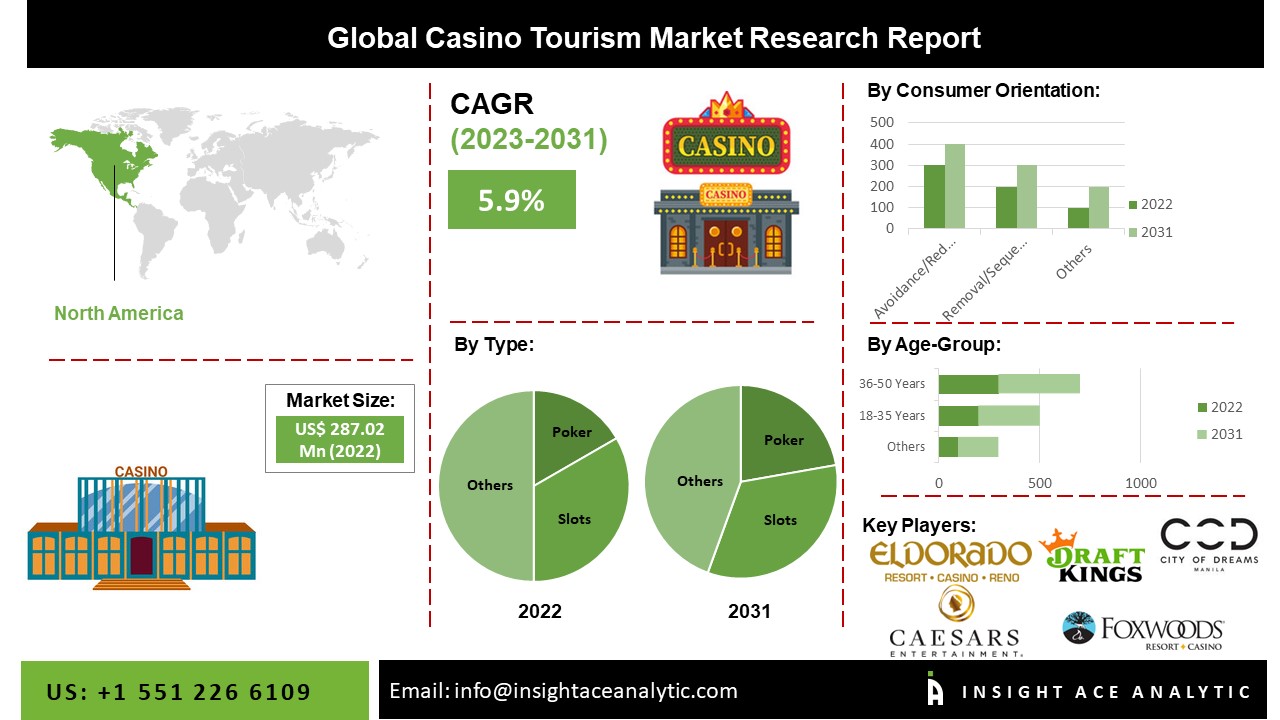
Today, the international casino market is estimated to be worth billions, fueled by both traditional and online gambling. The global casino market is segmenting into various categories, including land-based casinos, online casinos, and sports betting, each catering to different demographics and preferences. According to recent reports, the online casino market is projected to grow significantly, surpassing land-based establishments in terms of revenue due to increasing internet accessibility and the convenience of mobile gaming.
Regional Analysis
Each region has its unique characteristics and legal frameworks governing gambling. North America, particularly the United States, has a robust casino market, with Las Vegas and Atlantic City as prime destinations. The regulatory environment varies significantly from state to state, influencing the types of casinos and online gambling options available to consumers.
In contrast, Europe boasts a long history of gambling regulation, with numerous countries legalizing various forms of gambling. The United Kingdom has one of the most developed online casino sectors, fostering innovation and consumer protection while ensuring fairness in games.
Asia, with its burgeoning middle class and increasing disposable incomes, presents a rapidly growing market. Macau has emerged as the largest gambling hub globally, surpassing Las Vegas in revenue. However, other countries, such as Japan and the Philippines, are also making strides to capitalize on the gambling industry, attracting international investments.

Trends Shaping the Casino Industry
The casino market is continually evolving, influenced by various trends that reshape the landscape:
- Technology Integration: Innovations in technology, including virtual reality and augmented reality, are redefining the gaming experience, offering players immersive environments that mimic physical casinos.
- Mobile Gaming: With the proliferation of smartphones, mobile gaming is growing at an unprecedented rate. Many players prefer the convenience of accessing their favorite games through mobile apps, leading online casinos to optimize their platforms for mobile users.
- Live Dealer Games: The rise of live dealer games has bridged the gap between online and land-based casinos, providing players with the authentic feel of a physical casino from the comfort of their homes.
- Responsible Gambling Initiatives: As awareness about gambling addiction grows, casinos are implementing responsible gambling measures to protect consumers. These initiatives include self-exclusion programs, deposit limits, and educational resources.
Regulatory Challenges
One of the most significant factors influencing the international casino market is regulation. Each country has its laws governing gambling, resulting in a complex patchwork that operators must navigate. In some regions, strict regulations hinder growth, while in others, liberal policies promote a flourishing market.
For instance, in the United States, the legalization of sports betting has opened new avenues for revenue generation for casinos. However, the lack of uniformity across states leads to challenges in compliance and operations. In Europe, regulations are becoming more stringent, particularly concerning online gambling, as governments strive to protect consumers and ensure fair play.
Consumer Behavior and Preferences
The preferences of casino patrons are changing, influenced by demographics and societal trends. Younger generations, especially millennials and Generation Z, favor online gambling and mobile gaming, often seeking entertainment experiences that go beyond traditional casino offerings. This shift has compelled casinos to adapt their strategies, focusing on technology-driven solutions and personalized experiences.
Moreover, consumer behavior is also impacted by economic factors and cultural attitudes towards gambling. In regions where gambling is viewed positively, participation rates tend to be higher, whereas in areas with negative perceptions, operators face challenges in attracting customers.
The Future of the International Casino Market
As the international casino market continues to grow, several factors will play crucial roles in shaping its future. The opportunities presented by technological advancements, coupled with the increasing acceptance of online gambling, promise lucrative returns for stakeholders willing to adapt to the changing landscape.
However, operators must also remain vigilant and responsive to regulatory changes and societal attitudes toward gambling. Emphasizing responsible gambling practices will be vital in fostering consumer trust and long-term sustainability in the market. Overall, the international casino market presents a wealth of opportunities and challenges, necessitating a proactive approach from businesses to thrive in this competitive environment.
Conclusion
The international casino market is a dynamic and multifaceted arena shaped by historical evolution, regional differences, technological innovations, and changing consumer behaviors. Understanding these elements is crucial for stakeholders looking to navigate the complexities of the industry successfully. As we move forward, the integration of technology, adherence to regulations, and commitment to responsible gambling will be defining factors in the ongoing transformation of the casino landscape.
